Your moving timeline
The earlier you start, the easier moving day is. Here is a countdown that works for most homes, local or cross-country.
Get organized
- Call for a free visual estimate, in person or by video, and get it in writing.
- Check that your mover is licensed and insured. Interstate movers carry a USDOT number you can look up.
- Walk each room and decide what stays, what sells and what gets donated.
- Start a folder for estimates, receipts and your new address details.
Start packing
- Pick up heavy-duty boxes, tape, packing paper and bubble wrap.
- Pack the rooms you use least first: garage, guest room, off-season clothes.
- Change your address with the post office and update banks, insurance and subscriptions.
- Schedule utility shut-off at the old place and set-up at the new one.
Wrap it up
- Finish packing everything except daily essentials.
- Pack your essentials box (see below) and set it aside.
- Take down pictures, mirrors, TVs and anything mounted on the wall.
- Take apart cribs, Sleep Number beds and trampolines, and disconnect appliances.
Get ready
- Expect our call to confirm your crew's arrival window.
- Empty, defrost and dry the refrigerator and freezer.
- Empty every dresser, desk and nightstand drawer.
- Put valuables, documents and medications somewhere that will ride with you.
Let us take it from here
- Clear walkways and keep kids and pets out of the way.
- Walk the crew through the home and point out anything fragile or staying behind.
- Review the inventory and keep your paperwork handy.
- Do a last sweep of closets, cabinets and the garage before the truck leaves.
Packing tips
- Start early, one room at a time. Packing a room start to finish keeps things from piling up and keeps you from feeling overwhelmed.
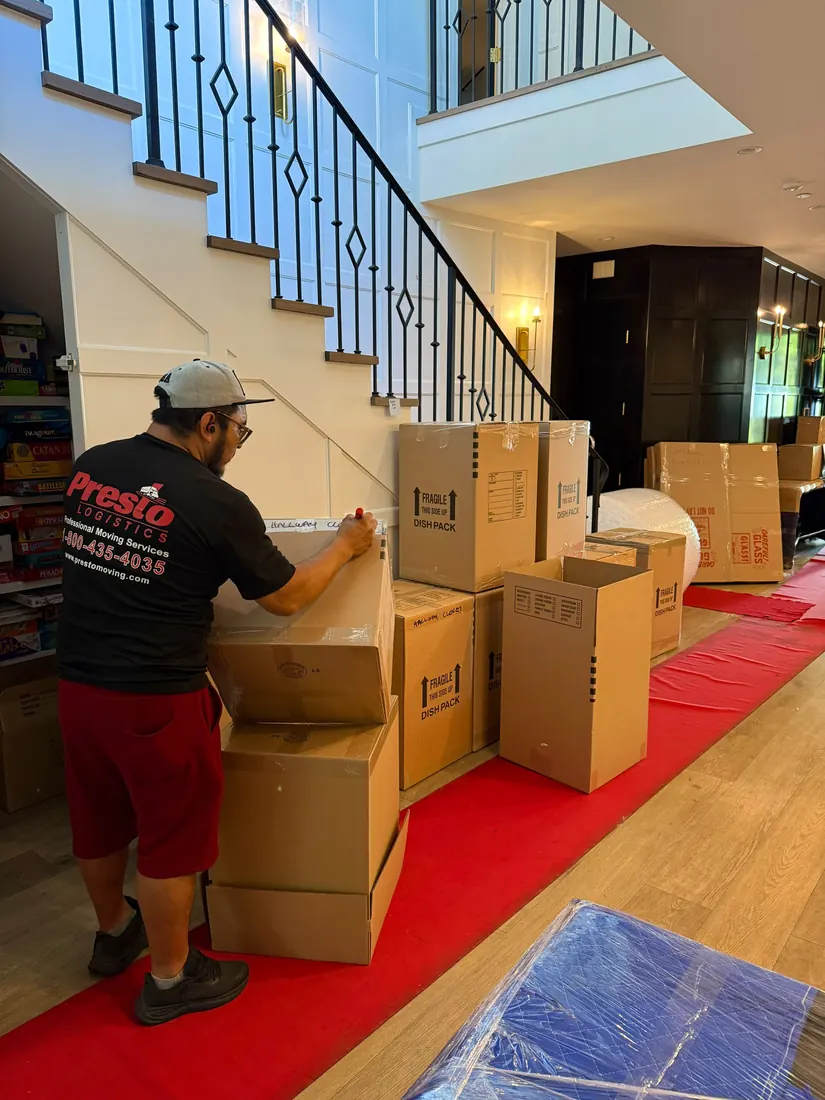
- Label every box twice. Write the room and a few words about what is inside, on the top and on one side. Unpacking goes much faster.
- Buy heavy-duty boxes. Lowe's and Home Depot carry most supplies. For a long-distance move, pay a little more for heavy-duty boxes that hold up over the miles. We can also supply boxes, dish packs and paper.
- Heavy things go in small boxes. Books, records and dishes in small boxes, pillows and linens in large ones. Keep boxes under about 50 pounds.
- Pack tight. Crumpled paper at the bottom and in the gaps keeps things from shifting. A box that rattles is a box that breaks.
- Wrap fragile items one by one. Glassware, ceramics and electronics get their own wrap, then go in a sturdy box marked FRAGILE.
- Empty the drawers. Full dressers and desks are heavy, can crack or break, and are unsafe for the crew to carry. Light, soft things like pillows can stay in a drawer.
- Bag the hardware. Put screws and bolts from anything you take apart in a zip bag and tape it to the piece.
- Liquids are on you. Seal any liquids you pack yourself. Presto is not responsible for damage from liquids packed by the owner, so leave most of them behind.
Pack an essentials box
Keep one box (or suitcase) with what you need the first few days, and keep it with you, not on the truck.
- Toiletries, towels and toilet paper
- Medications and prescriptions
- Phone and laptop chargers
- A few changes of clothes
- Important documents: IDs, closing papers, school and medical records
- Basic tools, scissors and a box cutter
- Snacks, water and paper plates
- Bedding for the first night
What we can't move
For your safety, our crew's safety and the safety of everyone's belongings on the truck, some things cannot be shipped.
Keep these with you
Presto does not ship high-value jewelry, cash or other precious items. Carry your valuables, heirlooms, important papers and medications yourself. If valuables are packed without our knowledge, Presto cannot be responsible for loss or damage.
Restricted items
These items are on the restricted list and cannot go on the truck. The list includes, but is not limited to:
- Aerosols
- Alcoholic beverages
- Cigarettes
- Detergent
- Firearms and ammunition
- Glues
- Lithium batteries
- Live plants
- Matches
- Nail polish
- Oils
- Paint
- Perfumes
- Perishable food
- Poisons
- Prescription drugs
- Shampoos
- Gasoline, propane, chlorine, fireworks and other hazardous materials
Not sure about something? Ask your estimator or call us at (800) 435-4035 before you pack it.
Prepping appliances, electronics and furniture
- Refrigerator and freezer: empty, unplug and defrost 24 to 48 hours ahead. Wipe it dry and leave the doors open a bit so it does not smell. Shut off and drain the ice maker line.
- Washer: turn off the water, disconnect and drain the hoses, and secure the drum if your model came with shipping bolts.
- Dryer: clean the lint trap and disconnect the vent. Gas dryers need the gas shut off and capped by a pro.
- Stove and oven: clean it out and have any gas line disconnected and capped by a professional.
- TVs and electronics: take photos of the cables before you unplug, back up computers, and use original boxes if you still have them.
- Grills and gas tools: propane tanks cannot ride on the truck. Empty fuel from mowers and other gas equipment.
- Take apart or put back together cribs, Sleep Number beds or trampolines
- Take down or remount TVs, mirrors, pictures, furniture anchors or other wall hangings
- Disconnect or hook up washers, dryers, stoves, refrigerators, water lines, or electric and gas lines
Moving day: what to expect
- ArrivalWe call the day before to confirm the time frame, and the crew arrives in that window ready to work.
- Walk-throughShow the crew around: what goes, what stays, what is fragile and where things go at the new place.
- InventoryBefore anything moves, we inventory your belongings so everything is accounted for.
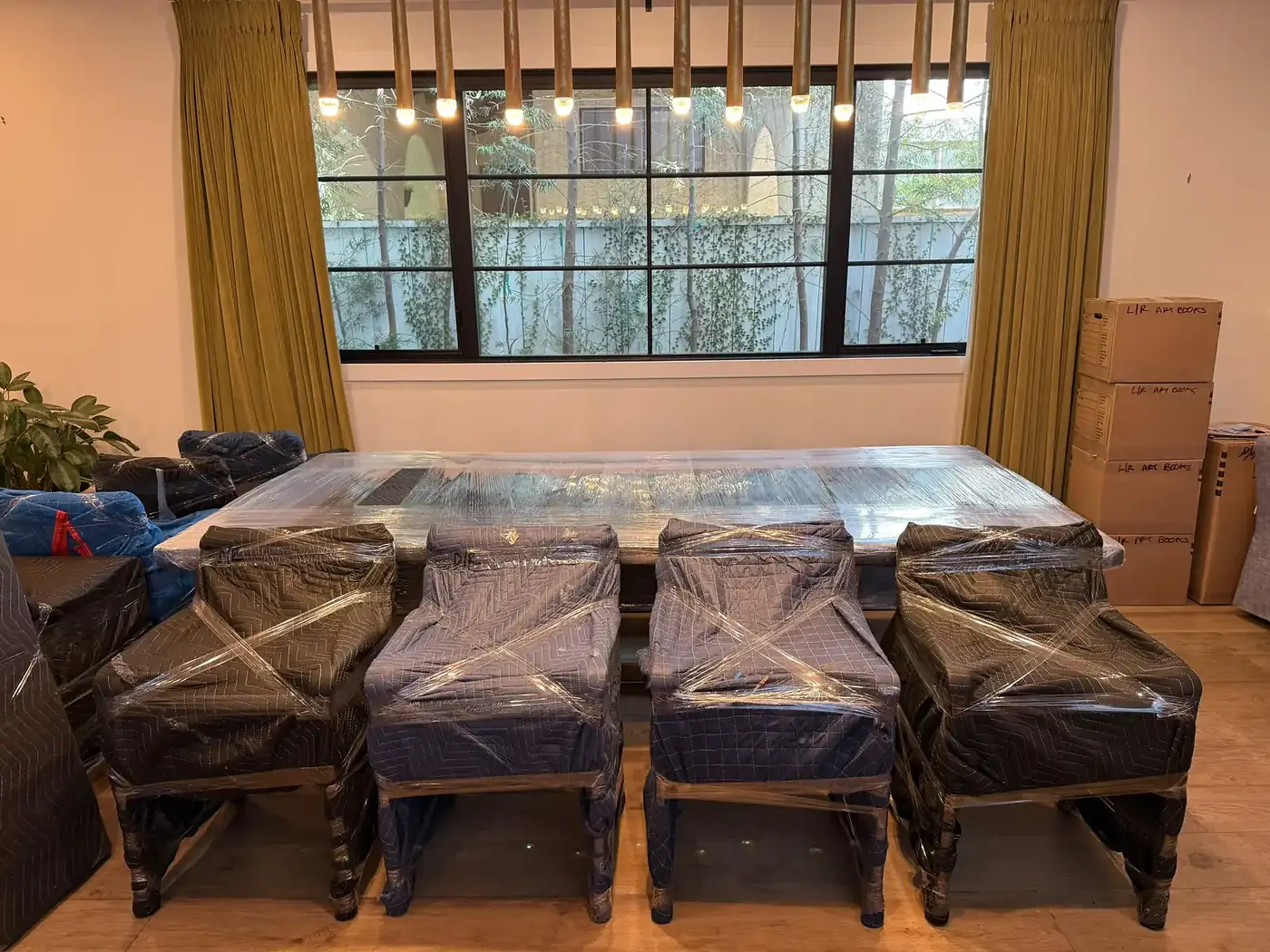
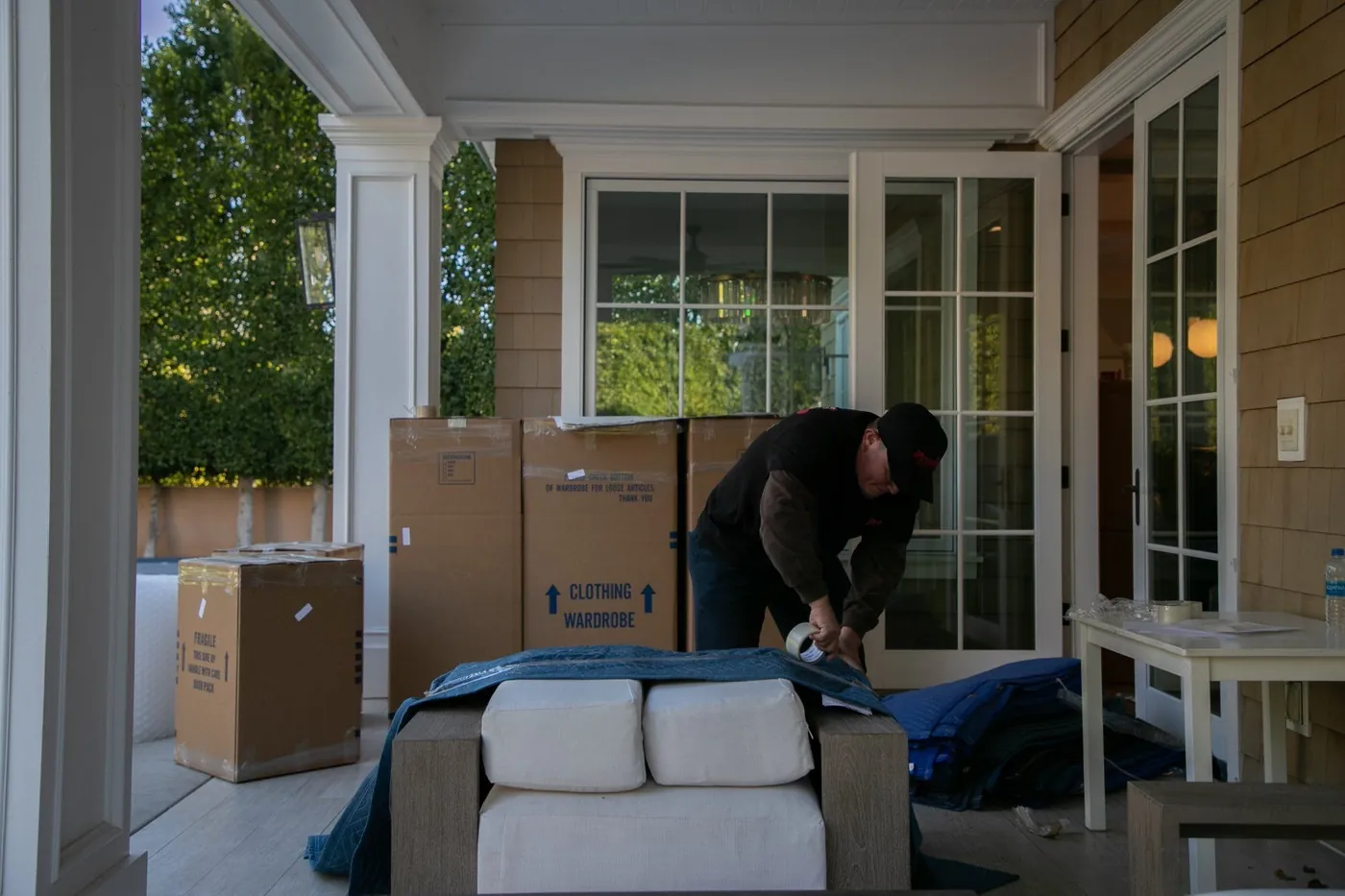
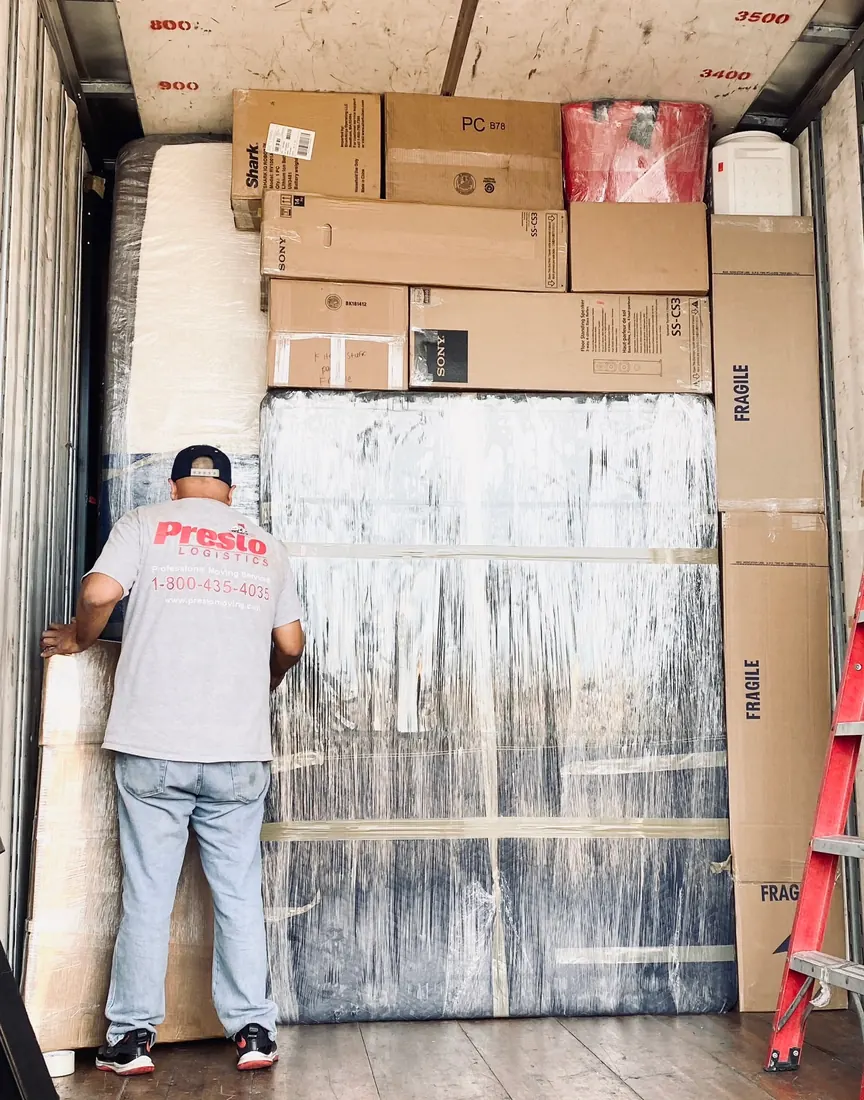
- Careful loadingFurniture is padded and wrapped, and the load is secured so nothing shifts on the road.
- DeliveryWe keep you posted on any delays, then unload and place each item in the room you choose.
- Final walk-throughOnce everything is in, we walk through together to make sure it all arrived safely and is where you want it.
Your moving day checklist
- Be there, or have someone there who can make decisions
- Keep phones charged and your paperwork handy
- Set aside a "do not load" area for things riding with you
- Protect floors where needed and reserve elevators or parking if your building requires it
- Check every closet, cabinet, the attic and the garage before the truck leaves
- Leave keys, garage remotes and manuals for the next owner
Long-distance moving tips
- Ask about your delivery window. Long-distance shipments arrive within a window of days, not at a set hour. Plan where you will stay and what you will need while you wait.
- Pack more essentials. Depending on how far you are going, pack enough for up to two weeks or more.
- Read your rights. Interstate moves come with the FMCSA booklet Your Rights and Responsibilities When You Move (opens in new tab). It is worth ten minutes.
- Weigh what is worth moving. Long distance, every item adds to the cost. Cheap or worn furniture is often better replaced at the other end.
- Bringing a car? We can help arrange auto transport. Just mention it when you ask for your quote.
- Plants and pets ride with you. Live plants cannot go on the truck, and many states have rules about bringing them in.
After the move
- Check boxes and furniture as they come off the truck, and note anything that looks wrong before you sign
- Unpack the kitchen, bathrooms and bedrooms first, then the rest room by room
- Set up beds the first night, even if nothing else is done
- Have appliances reconnected by a licensed plumber, electrician or gas technician
- Change the locks and test smoke and carbon monoxide detectors
- Update your driver's license and car registration (many states give you 30 days or less)
- Register to vote, and transfer prescriptions and medical records to new doctors
- Recycle boxes, or give them to a neighbor who is moving next